Reviving Dying Houseplant: A Guide to Raising the Dead
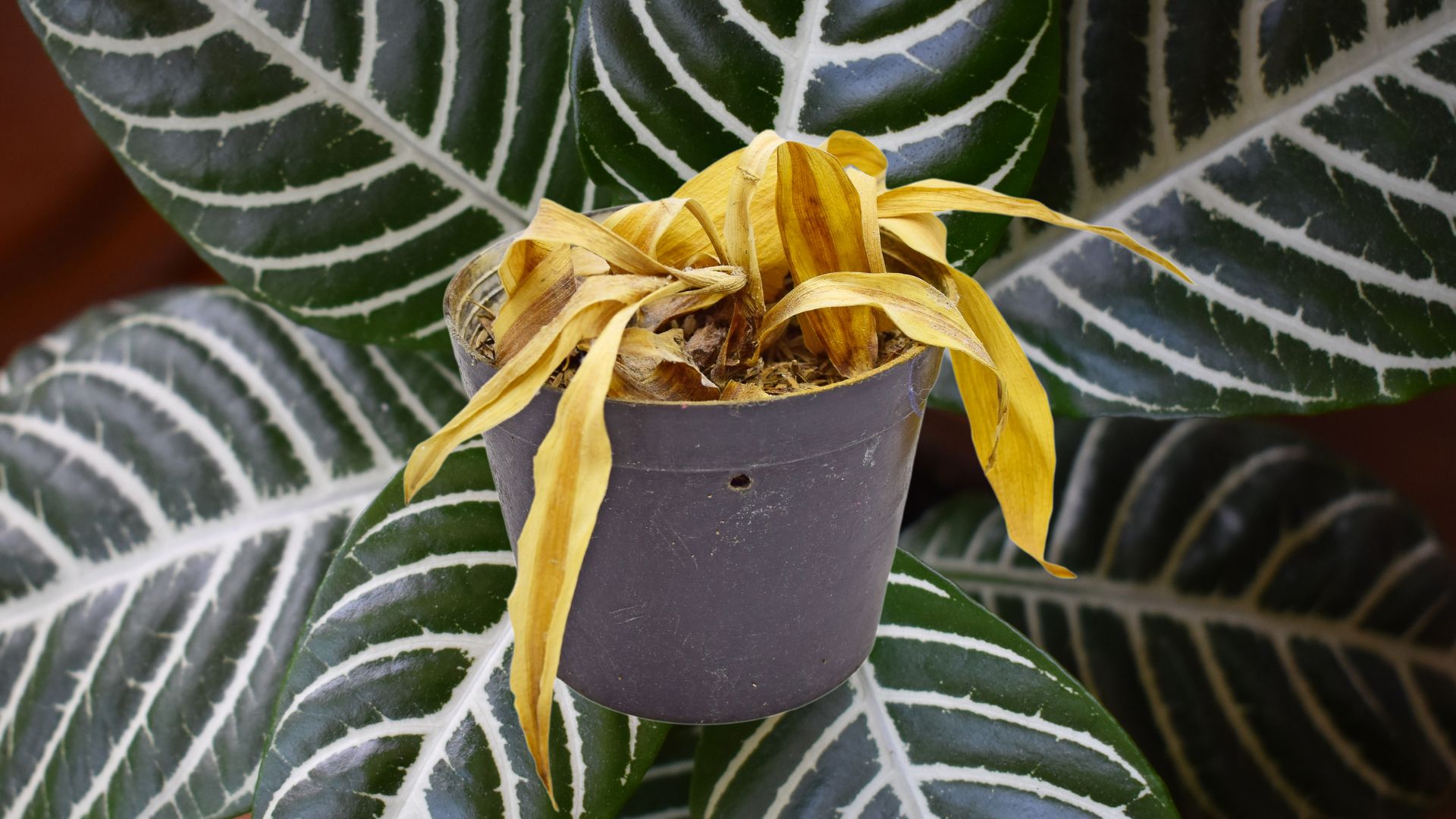
Houseplants bring life and greenery to our homes, but sometimes they can fall ill and wilt away. But don’t worry, with a little love and attention, you can revive your dying houseplant and bring it back to its former glory. In this blog post, we’ll go through the steps of reviving a dying houseplant with a touch of humor.
Step 1: Check the Soil Moisture
Overwatering or under-watering are the most common reasons why houseplants die. To determine if your plant is receiving the right amount of water, stick your finger in the soil up to the first knuckle. If it feels dry, give it a drink. If it’s still damp, hold off for a few days before checking again. If you have been overwatering, it is important to let the soil dry out before watering again. On the other hand, if you have been under-watering, it is important to water the plant thoroughly.

Step 2: Give it Some Light Therapy
One of the most common reasons why houseplants become sickly is a lack of adequate light. To revive a dying plant, it’s important to ensure that it’s getting the right amount of light. Here’s how:
Place your plant near a window that receives bright, indirect light.
If the plant is getting too much direct sunlight, move it to a spot where it will receive more filtered light.
If the plant isn’t getting enough light, you may need to supplement its light source with grow lights or move it to a brighter spot.
Rotate your plant regularly to ensure that all sides receive an equal amount of light and prevent it from leaning toward the light source.
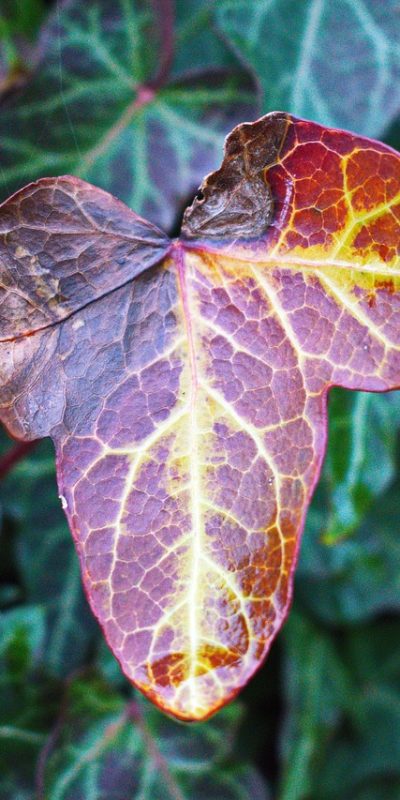
It’s also important to keep an eye on your plant’s leaves. If they’re yellowing or becoming pale, it may be an indication that it’s not getting enough light. In this case, you’ll need to adjust its position or supplement its light source.
Light is an essential ingredient for the growth and health of houseplants. By providing your plant with the right amount of light, you’ll be giving it the boost it needs to revive and start growing again.
Step 3: Fertilize with Humor
Your plant needs food to grow, so fertilize it with a balanced fertilizer according to the instructions. You can also treat it to some compost or worm castings for a slow-release source of nutrition. And if all else fails, you can try feeding it jokes. Who knows, it might actually grow!
Step 4: Prune the Dead Weight
Cutting off dead or yellow leaves is an essential step in reviving a dying houseplant. This will allow the plant to redirect its energy to healthy growth and improve its overall appearance. Here’s how to do it:
Gently pull off any yellow or brown leaves by holding the stem near the base and gently pulling downwards.
If the leaves are still attached to the stem, use a clean, sharp pair of scissors to snip them off close to the base of the plant.
Don’t be afraid to prune away any stems that appear to be dead.
Remember to give your plant a pep talk while you’re at it! A positive attitude can go a long way in reviving a dying plant.
In addition to removing dead weight, pruning can also help to improve air circulation and prevent fungal growth. So go ahead and give your plant a little haircut to help it get back on its feet!
Step 5: Check for Pests
Houseplants are susceptible to various pests that can cause damage and hamper their growth. It’s important to check for pests and take action promptly to prevent the problem from escalating. Here’s what you need to know about checking for pests:
Look for signs of damage such as holes in the leaves or sticky residue on the stems.
Check the undersides of leaves and the crevices of stems and branches for any signs of pests such as aphids, spider mites, or scale insects.
If you do find pests, use an appropriate pesticide or natural remedy to get rid of them.
Neem oil, horticultural oil, and soap sprays are effective natural remedies for controlling pests.
Be sure to follow the instructions carefully and avoid overusing pesticides as they can harm beneficial insects and the environment.
And if you do find pests, remember to give them a stern talking-to for bothering your plant. Just kidding, but taking action to control pests is an important step in reviving a dying houseplant. With the right care, your plant will be back to its happy and healthy self in no time!
Step 6: Re-pot with Flair
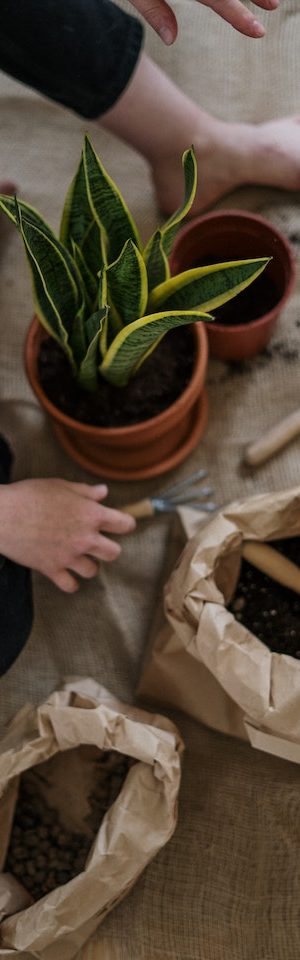
Re-potting can help to revive a dying houseplant by providing it with fresh soil and a larger pot, giving it more space to grow and absorb nutrients. Here’s how to do it:
Choose a pot that is the next size up from the current pot, making sure it has adequate drainage holes.
Remove the plant from its current pot, gently shaking off any excess soil.
Prune away any dead or yellow roots.
Fill the bottom of the new pot with a layer of fresh potting soil.
Place the plant in the new pot and fill it in with more potting soil, making sure to press it down gently to remove any air pockets.
Water the plant thoroughly to help settle the soil and encourage root growth.
And don’t forget to add a touch of personal style to the new pot! Choose a pot that complements the color and style of your plant and your home décor. This will not only enhance the appearance of your plant but will also make it feel more at home.
Re-potting can be a great opportunity to give your plant a fresh start and help it get back on its feet. With the right care, you’ll be amazed at how quickly your plant will revive and start growing again. Happy re-potting!
In conclusion, reviving a dying houseplant takes time and patience, but with the right care and attention, you can bring it back to its former glory. And with a touch of humor, you can make the process a little more fun and enjoyable. So go ahead and give your plant a little love and see the transformation for yourself!
Happy plant parenting!
Related Articles
Houseplants are the ultimate low-maintenance pet. Unlike dogs, they don’t need to be walked or fed, and unlike cats, they won’t scratch up your furniture. They just….
Winter can be a tough time for houseplants, as they are not getting the same amount of light and warmth that they would if they were outside. But just because the weather…
When it comes to watering houseplants, many people may think that any water will do. However, the truth is that the type of water you use can greatly impact the health and growth of your ….
Shop our Favorite:
© 2023 All Rights Reserved.